- Prioritize Protein Foods at Every Meal: Consume a variety of protein foods from animal sources, including eggs, poultry, seafood, and red meat, as well as a variety of plant-sourced protein foods, including beans, peas, lentils, legumes, nuts, seeds, and soy. Recommended daily intake amount: 1.2–1.6 grams of protein per kilogram of body weight.
- Eat Vegetables and Fruits Throughout the Day: Eat a variety of colorful, nutrient-dense whole vegetables and fruits. Recommended daily intake amount: 3 servings vegetables, 2 servings fruits. Emphasize Whole Vegetables and Fruits instead of grinded juices.
- Incorporate Healthy Fats: Eat healthy fats from meats, poultry, eggs, omega-3–rich seafood, nuts, seeds, full-fat dairy, olives, and avocados. Cooking oils recommends essential fatty acids, such as olive oil. In general, saturated fat consumption should not exceed 10% of total daily calories.
- Focus on Whole Grains: Prioritize fiber-rich whole grains. Recommended daily intake amount: 2–4 servings.
- Foods for Gut Health: Vegetables, fruits, fermented foods (e.g., sauerkraut, kimchi, kefir, miso), and high-fiber foods support a diverse microbiome which is beneficial to the healthy digestion system.
- For Special Populations: Download and read the full guidelines to learn more about the dietary guidelines, especially for the Special Populations such as infants, children, seniors, vegetarians, etc.
Eat the Rainbow:
- 🔴Red vegetables or fruits provide lycopene, anthocyanins. They may support heart health, cellular protection.
- 🔵Purple & blue vegetables or fruits are rich in anthocyanins. They may support better memory, healthy aging, cardiovascular health.
- 🟠Orange & yellow vegetables or fruits provide Vitamin C and carotenoids. Thay may support immune system, skin health, eye health.
- 🟢Green vegetables or fruits provide Vitamin K, Vitamin C, Potassium. They may support immune system, skin health, help digestion and gut health, and heart health.
- ⚪White vegetables or fruits provide Fiber, Potassium, Vitamin B6. They may support digestion and gut health, lower LDL ("bad") cholesterol, maintain healthy blood pressure, protein metabolism.
|
|
Example Food Description
|
Food Category
|
|
|
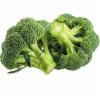
Broccoli, cooked, boiled, drained, without salt
|
Vegetables and Vegetable Products
|
|
|
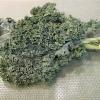
Kale, raw
|
Vegetables and Vegetable Products
|
|
|
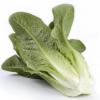
Lettuce, cos or romaine, raw
|
Vegetables and Vegetable Products
|
|
|
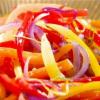
Peppers, sweet, red, cooked, boiled, drained, without salt
|
Vegetables and Vegetable Products
|
|
|
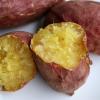
Sweet potato, cooked, baked in skin, flesh, without salt
|
Vegetables and Vegetable Products
|
|
|
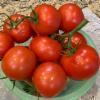
Tomatoes, red, ripe, raw, year round average
|
Vegetables and Vegetable Products
|
|
|
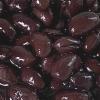
Beans, black, mature seeds, cooked, boiled, without salt
|
Legumes and Legume Products
|
|
|
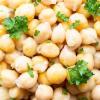
Chickpeas (garbanzo beans, bengal gram), mature seeds, cooked, boiled, without salt
|
Legumes and Legume Products
|
|
|
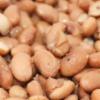
Beans, pinto, mature seeds, cooked, boiled, without salt
|
Legumes and Legume Products
|
|
|
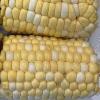
Corn, sweet, yellow, cooked, boiled, drained, without salt
|
Vegetables and Vegetable Products
|
|
|
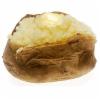
Potatoes, white, flesh and skin, baked
|
Vegetables and Vegetable Products
|
|
|
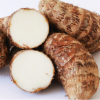
Taro, cooked, without salt
|
Vegetables and Vegetable Products
|
|
|
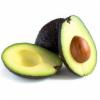
Avocados, raw, all commercial varieties
|
Fruits and Fruit Juices
|
|
|
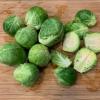
Brussels sprouts, cooked, boiled, drained, without salt
|
Vegetables and Vegetable Products
|
|

|
Mushrooms, white, cooked, boiled, drained, without salt
|
Vegetables and Vegetable Products
|
|
|
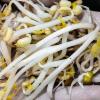
Mung beans, mature seeds, sprouted, cooked, stir-fried
|
Vegetables and Vegetable Products
|
|
|
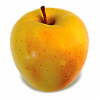
Apples, raw, with skin (Includes foods for USDA's Food Distribution Program)
|
Fruits and Fruit Juices
|
|
|
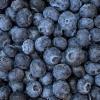
Blueberries, raw
|
Fruits and Fruit Juices
|
|

|
Oranges, raw, all commercial varieties
|
Fruits and Fruit Juices
|
|
|
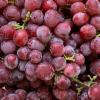
Grapes, red, seedless, raw
|
Fruits and Fruit Juices
|
|
|
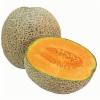
Melons, cantaloupe, raw
|
Fruits and Fruit Juices
|
|
|
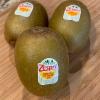
Kiwifruit, ZESPRI SunGold, raw
|
Fruits and Fruit Juices
|
|

|
Bread, whole-wheat, commercially prepared
|
Baked Products
|
|
|
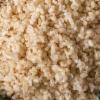
Rice, brown, medium-grain, cooked (Includes foods for USDA's Food Distribution Program)
|
Cereal Grains and Pasta
|
|
|
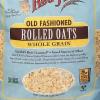
Oats, whole grain, rolled, old fashioned
|
Cereal Grains and Pasta
|
|

|
Bread, white, commercially prepared, toasted
|
Baked Products
|
|
|
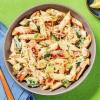
Pasta, cooked, enriched, without added salt
|
Cereal Grains and Pasta
|
|

|
Cereals, corn grits, yellow, regular and quick, enriched, cooked with water, without salt
|
Breakfast Cereals
|
|
|
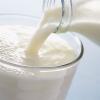
Milk, whole, 3.25% milkfat, with added vitamin D
|
Dairy and Egg Products
|
|

|
Yogurt, plain, whole milk
|
Dairy and Egg Products
|
|
|
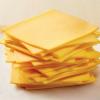
Cheese, pasteurized process, American, vitamin D fortified
|
Dairy and Egg Products
|
|
|
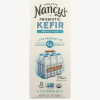
Kefir
|
Dairy and Egg Products
|
|
|
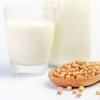
Soymilk, original and vanilla, light, unsweetened, with added calcium, vitamins A and D
|
Legumes and Legume Products
|
|
|
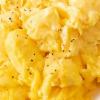
Egg, whole, cooked, scrambled
|
Dairy and Egg Products
|
|
|
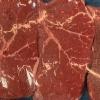
Beef, loin, top sirloin cap steak, boneless, separable lean and fat, trimmed to 1/8" fat, all grades, cooked, grilled
|
Beef Products
|
|
|
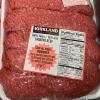
Beef, ground, 90% lean meat / 10% fat, crumbles, cooked, pan-browned
|
Beef Products
|
|
|
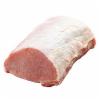
Pork, fresh, loin, center loin (chops), boneless, separable lean and fat, cooked, pan-broiled
|
Pork Products
|
|
|
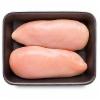
Chicken, broiler or fryers, breast, skinless, boneless, meat only, cooked, grilled
|
Poultry Products
|
|

|
Chicken, broilers or fryers, drumstick, meat and skin, cooked, roasted
|
Poultry Products
|
|
|
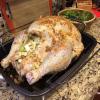
Turkey from whole, light meat, meat and skin, with added solution, cooked, roasted
|
Poultry Products
|
|
|
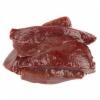
Beef, variety meats and by-products, liver, cooked, pan-fried
|
Beef Products
|
|
|
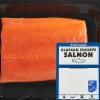
Fish, salmon, sockeye, cooked, dry heat
|
Finfish and Shellfish Products
|
|
|
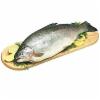
Fish, trout, rainbow, farmed, cooked, dry heat
|
Finfish and Shellfish Products
|
|
|
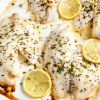
Fish, tilapia, cooked, dry heat
|
Finfish and Shellfish Products
|
|

|
Fish, sardine, Atlantic, canned in oil, drained solids with bone
|
Finfish and Shellfish Products
|
|
|
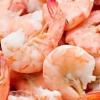
Crustaceans, shrimp, mixed species, cooked, moist heat (may contain additives to retain moisture)
|
Finfish and Shellfish Products
|
|
|
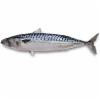
Fish, mackerel, Atlantic, cooked, dry heat
|
Finfish and Shellfish Products
|
|
|
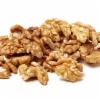
Nuts, walnuts, dry roasted, with salt added
|
Nut and Seed Products
|
|
|
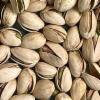
Nuts, pistachio nuts, dry roasted, without salt added
|
Nut and Seed Products
|
|
|
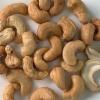
Nuts, cashew nuts, dry roasted, without salt added
|
Nut and Seed Products
|
|
|
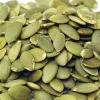
Seeds, pumpkin and squash seed kernels, roasted, without salt
|
Nut and Seed Products
|
|
|
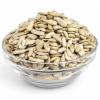
Seeds, sunflower seed kernels, dry roasted, without salt
|
Nut and Seed Products
|
|
|
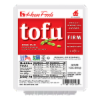
HOUSE FOODS Premium Firm Tofu
|
Legumes and Legume Products
|
|
|